

This drug acts as a beta-lactamase inhibitor, extending the half-life and potency of several antibiotics, including ceftriaxone and piperacillin. Tazobactam sodium prolongs the life of antibiotics such as piperacillin by blocking the production of beta-lactamase enzymes by certain bacteria. This prevents the breakdown of the medicines and increases their effectiveness in treating bacterial infections.
Intravenous injection: This drug works as a buffer between piperacillin and bacteria, preventing the former from destruction. Even if it works well, users may have typical side effects like nausea or vomiting. These may be avoided by eating multiple small meals or by taking proper care of their teeth. Furthermore, the drug may cause diarrhea, or loose stools, which yogurt or probiotics may help with. Other adverse effects that have been observed include headaches and, in women, the potential for a vaginal yeast infection. If a dosage is missed, it is best to contact a healthcare provider immediately to find out what to do.
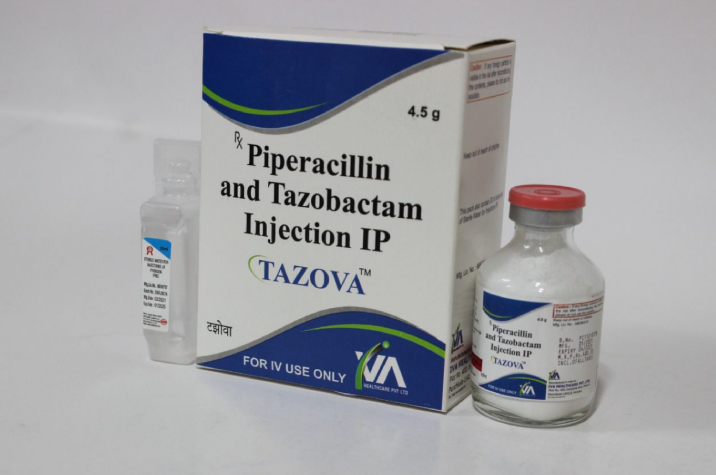
It is important that you tell your doctor about any known drug allergies you may have, including any allergies to piperacillin, tazobactam sodium, or any other ingredient in this prescription. Be sure to include specific signs and symptoms you encountered during prior allergic responses. Rash, hives, itching, wheezing, coughing, swelling of the lips, tongue, or throat, and any other allergic manifestations are examples of these symptoms.
Our Divisions


trusted pharma divisions across India
IVA Healthcare group operates through multiple specialized divisions, delivering excellence in pharmaceuticals, nutraceuticals, ayurveda, and wellness solutions across diverse healthcare segments.
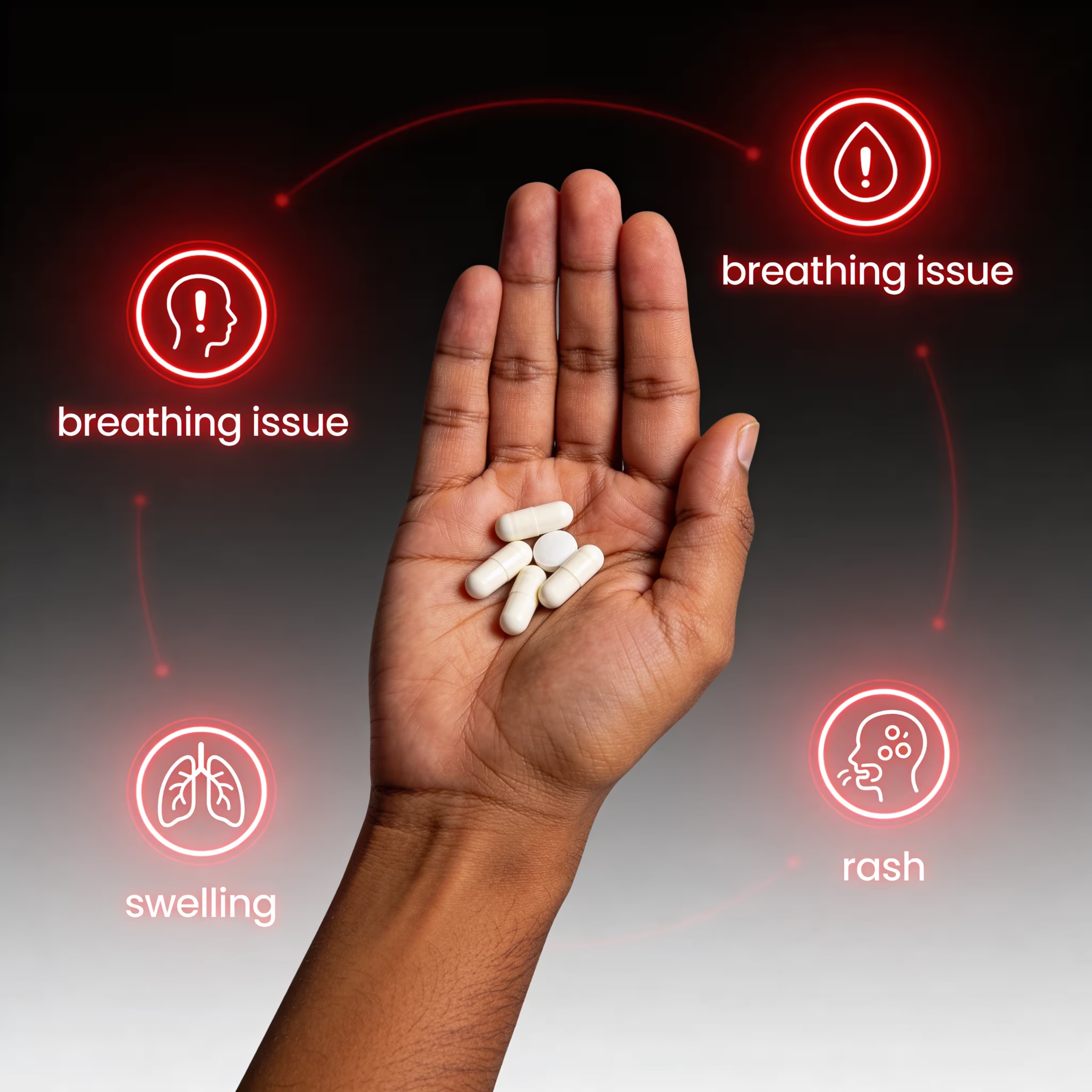
It is critical that you seek immediate medical assistance at the closest emergency department or instantly notify your local poison control center in the case of a suspected overdose. Signs of a serious medication side effect that require quick medical attention include wheezing, tightness in the chest, fever, itching, intense and prolonged coughing, blue or grayish skin, convulsions, or swelling of the lips, tongue, or throat.
Other serious circumstances that call for immediate medical attention include severe upset stomach or vomiting, severe diarrhea that persists even after the medication is stopped, unexplained bleeding or bruises, the development of any rash, or if the initial side effects or health problems worsen instead of getting better. When faced with these symptoms, you must prioritize getting medical attention as soon as possible to ensure rapid and proper response.
When some prescriptions are used along with particular substances or foods, there may be safety issues. Combining them might have unfavorable side effects, which is why it’s crucial to talk to your doctor about your whole prescription schedule. This preventive intervention enhances the general safety and effectiveness of your treatment plan by assisting in the avoidance of potentially hazardous interactions. Keeping lines of communication open with your healthcare practitioner about all the drugs you are presently taking helps them make the best decisions for your health and reduces the possibility of problems resulting from drug interactions.


Question & answered