
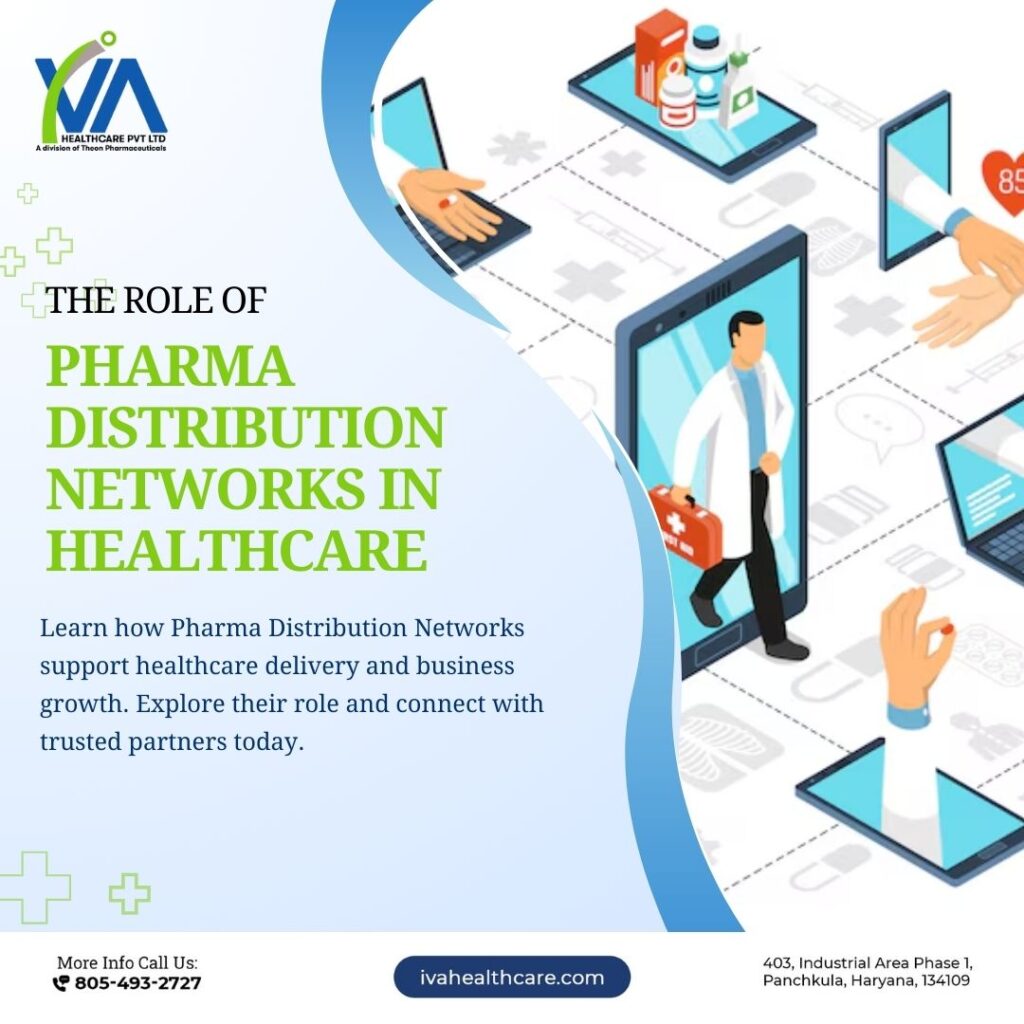
The healthcare system depends not only on doctors, hospitals, and medicines but also on how efficiently those medicines reach the people who need them. Behind every tablet, injection, or syrup available at a pharmacy, there is a well-organized supply system working silently. This system is built on Pharma Distribution Networks, which play a critical role in ensuring timely access to safe, effective, and affordable medicines.
In this blog, we will explore the importance of Pharma Distribution Networks in a simple, informative, and commercial way, helping you understand how they support healthcare delivery, business growth, and patient well-being.
Introduction: Why Pharma Distribution Networks Matter
Pharma Distribution Networks form the backbone of the pharmaceutical industry. They connect manufacturers with hospitals, clinics, pharmacies, and ultimately patients. Without strong Pharma Distribution Networks, even the best medicines would fail to reach the market on time.
In today’s fast-paced healthcare environment, timely availability of medicines is essential. From emergency drugs to daily chronic medications, an efficient distribution system ensures continuity of care and builds trust across the healthcare ecosystem.
Understanding Pharma Distribution Networks
Pharma Distribution Networks refer to the organized system through which medicines are stored, transported, and supplied from manufacturers to end users. These networks involve multiple stakeholders working together to ensure smooth movement of pharmaceutical products.
Key participants include:
- Manufacturers
- Pharma wholesale distributors
- Stockists and super stockists
- Retail pharmacies
- Hospitals and clinics
Each link in the chain has a specific responsibility that contributes to the overall efficiency of healthcare delivery.
The Structure of Pharma Distribution Networks
A typical pharma distribution structure follows a layered approach:
- Manufacturing Units – Produce medicines under strict quality standards
- Pharma Distribution Company – Manages bulk supply and regional distribution
- Pharma Wholesale Distributors – Handle storage and supply at the local or regional level
- Retailers and Hospitals – Provide medicines directly to patients
This structured approach allows medicines to reach even remote areas while maintaining quality and compliance.
Role of Pharma Wholesale Distributors
Pharma wholesale distributors are a crucial component of Pharma Distribution Networks. They act as a bridge between manufacturers and retailers.
Their key responsibilities include:
- Bulk procurement of medicines
- Proper storage and inventory management
- Timely supply to pharmacies and hospitals
- Maintaining regulatory compliance
By managing large volumes efficiently, wholesale distributors help control costs and ensure uninterrupted medicine availability.
How Distribution Networks Support Healthcare Systems
Strong Pharma Distribution Networks directly impact the effectiveness of healthcare systems.
They help by:
- Ensuring continuous supply of essential medicines
- Reducing shortages during emergencies
- Supporting government health programs
- Improving access in rural and semi-urban areas
Without reliable distribution networks, healthcare delivery would face frequent disruptions.
Importance of Timely Medicine Availability
Time-sensitive medicines such as antibiotics, cardiac drugs, insulin, and emergency injections must be available when needed. Efficient Pharma Distribution Networks reduce delays and ensure medicines reach the right place at the right time.
This timely availability:
- Saves lives
- Improves treatment outcomes
- Enhances patient trust in healthcare providers
Quality Control Within Pharma Distribution Networks
Quality does not end at manufacturing. Distribution networks play a key role in maintaining medicine quality until it reaches the patient.
A professional pharma distribution company ensures:
- Temperature-controlled storage
- Proper handling during transportation
- Monitoring of expiry dates
- Compliance with regulatory guidelines
These measures protect medicines from damage and maintain their effectiveness.
Role of Technology in Modern Distribution Networks
Technology has transformed Pharma Distribution Networks significantly.
Key technological advancements include:
- Inventory management software
- GPS-enabled logistics tracking
- Digital order processing
- Data-driven demand forecasting
These tools improve transparency, reduce errors, and enhance overall efficiency across distribution networks.
Distribution Networks and Cost Efficiency
Efficient distribution helps reduce overall healthcare costs.
Well-organized Pharma Distribution Networks:
- Minimize wastage due to expiry or damage
- Optimize transportation routes
- Reduce unnecessary intermediaries
This cost efficiency benefits manufacturers, distributors, retailers, and ultimately patients.
Supporting Hospitals and Pharmacies
Hospitals and pharmacies rely heavily on distribution networks for daily operations.
A reliable pharma distribution company ensures:
- Regular supply cycles
- Quick restocking during demand spikes
- Access to a wide product range
This reliability allows healthcare providers to focus on patient care rather than supply issues.
Role in Emergency and Pandemic Situations
The importance of Pharma Networks becomes even more evident during emergencies and pandemics.
During such times, distribution networks:
- Manage sudden demand surges
- Ensure rapid deployment of critical medicines
- Coordinate with government and healthcare agencies
Strong distribution systems are essential for effective crisis response.
Pharma Distribution Networks and Rural Healthcare
Reaching rural and remote areas is one of the biggest challenges in healthcare.
Distribution networks help by:
- Extending supply chains beyond urban centers
- Partnering with local pharma wholesale distributors
- Ensuring availability of affordable medicines
This improves healthcare access and reduces urban-rural disparities.
Business Opportunities in Pharma Distribution
Pharma Distribution Networks also create significant business opportunities.
Entrepreneurs can enter the sector as:
- Wholesale distributors
- Regional stockists
- Logistics partners
- Franchise distributors
With consistent demand and scalable operations, distribution businesses offer long-term growth potential.
Compliance and Regulatory Role
Compliance is a critical aspect of pharmaceutical distribution.
Distribution networks ensure:
- Adherence to drug control regulations
- Proper documentation and invoicing
- Safe handling of controlled substances
This regulatory discipline protects patients and strengthens trust in the healthcare system.
Challenges Faced by Pharma Distribution Networks
Despite their importance, Distribution Networks face challenges such as:
- Supply chain disruptions
- Rising logistics costs
- Regulatory complexities
- Competition and margin pressure
Addressing these challenges requires strategic planning and continuous improvement.
Solutions to Strengthen Distribution Networks
To overcome challenges, companies are focusing on:
- Digitization of operations
- Better cold chain infrastructure
- Strong partnerships with distributors
- Training and compliance programs
These efforts help build resilient and future-ready distribution networks.
The Commercial Value of Strong Distribution Networks
From a commercial perspective, strong Distribution Networks:
- Enhance brand reach
- Improve market penetration
- Increase customer satisfaction
- Support sustainable business growth
Manufacturers often choose partners based on their distribution strength and reliability.
Future Trends in Pharma Distribution
The future of Pharma Distribution looks promising, with trends such as:
- Automation in warehouses
- AI-driven demand forecasting
- E-commerce integration
- Direct-to-pharmacy models
These trends will further improve efficiency and responsiveness in healthcare supply chains.
Why Choosing the Right Pharma Distribution Company Matters
For manufacturers and retailers alike, selecting the right distribution partner is crucial.
A trusted pharma distribution company offers:
- Strong network coverage
- Efficient logistics
- Transparent operations
- Long-term collaboration
The right partner can significantly impact business success and healthcare outcomes.
Conclusion: The Growing Importance of Pharma Distribution Networks
In conclusion, Pharma Distribution Networks play an indispensable role in healthcare by ensuring the smooth flow of medicines from manufacturers to patients. They support quality control, cost efficiency, emergency response, and healthcare accessibility across regions.
As healthcare demand continues to rise, the importance of strong, technology-driven, and compliant distribution networks will only grow. For businesses and healthcare providers alike, investing in reliable Pharma Distribution Networks is not just a commercial decision—it is a commitment to better healthcare delivery and patient well-being.
Strong distribution systems today mean healthier communities tomorrow.